Total: £0.00
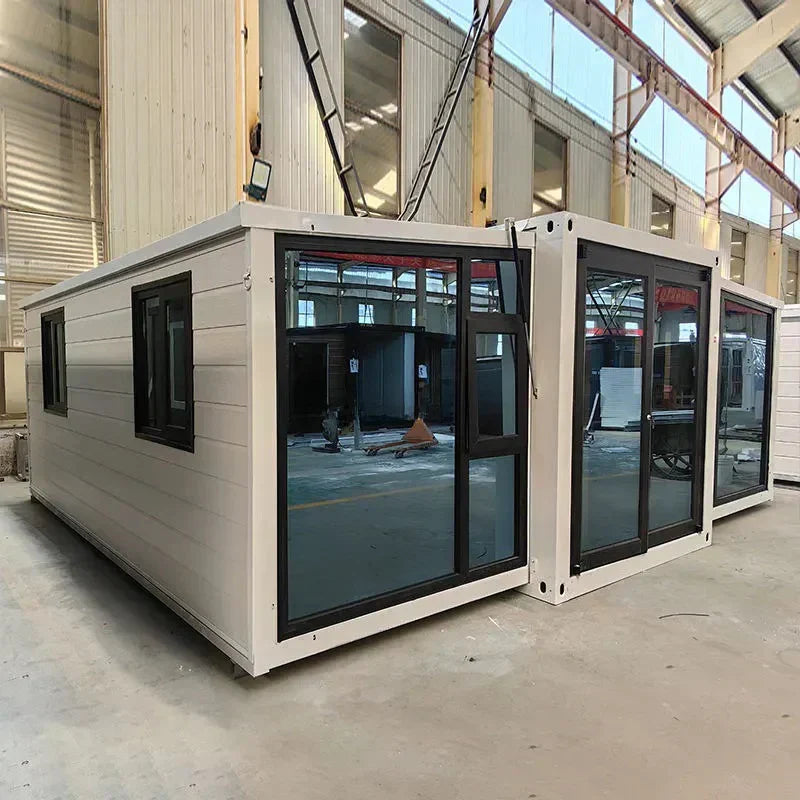
What Is a Container Home?
Shipping container homes are residential structures built from repurposed steel intermodal containers. They've surged in popularity thanks to their durability, modern aesthetic, and relatively fast build times compared to traditional construction. Whether you're looking for a primary residence, a holiday retreat, or an off-grid cabin, a container home can be a compelling option.
Key Benefits of Container Homes
- Durability: Built from Corten steel, containers are designed to withstand harsh ocean conditions — making them exceptionally robust as homes.
- Speed of construction: Because the structural shell already exists, build times are significantly shorter than traditional builds.
- Eco-friendly: Repurposing used containers reduces industrial waste and often requires fewer raw materials.
- Customisable: Containers can be stacked, joined, and modified to create a wide range of floor plans and styles.
- Cost-effective: Depending on specification, container homes can offer strong value compared to equivalent traditional builds.
What to Consider Before Buying
1. Size and Layout
Standard containers come in 20ft and 40ft lengths. A single 40ft container provides roughly 30 square metres of floor space. Most buyers combine multiple containers to achieve a comfortable living area. Think carefully about how many bedrooms, bathrooms, and open-plan spaces you need before committing to a design.
2. Planning Permission
In the UK, container homes typically require planning permission, especially for permanent dwellings. Always check with your local planning authority before purchasing land or a container home structure.
3. Insulation and Climate Control
Steel conducts heat and cold readily, so insulation is critical. High-quality spray foam or rigid board insulation is essential for year-round comfort. Ask your supplier about the insulation specification included in any package.
4. Foundation Requirements
Container homes need a solid foundation — typically concrete piers, a concrete slab, or a steel frame. The type of foundation will depend on your site's soil conditions and local building regulations.
5. Utilities and Off-Grid Options
Consider how you'll connect to mains water, electricity, and drainage — or whether you want to go fully off-grid with solar panels, rainwater harvesting, and composting toilets. Many buyers choose a hybrid approach.
New vs Used Containers
New (one-trip) containers are in near-perfect condition and are the preferred choice for residential builds. Used containers are cheaper but may have dents, rust, or chemical residues from previous cargo — always inspect carefully or buy from a reputable supplier who certifies the condition.
How Much Does a Container Home Cost?
Costs vary widely depending on size, specification, and finish level. A basic single-container conversion can start from around £30,000–£50,000, while a multi-container, architect-designed home with premium finishes can exceed £200,000. Factor in land, foundations, planning, and utilities when budgeting.
Ready to Explore Container Homes?
Browse our range of premium container home structures and modular living solutions — designed for modern, flexible living.
About Author

As a passionate professional blog writer with a deep love for fashion, writing about Fusion—the brand I admire—feels like a natural extension of my creativity. Fusion represents more than just clothing; it embodies a unique blend of style, culture, and innovation. My goal is to capture the essence of this fashion-forward brand through engaging, insightful blog content. By showcasing Fusion’s latest collections, trends, and design philosophies, I aim to connect with fellow fashion enthusiasts and highlight what makes this brand stand out in the ever-evolving fashion industry.
Recent Post